
Learning Approach
Our Services

Infant Program
0 - 12 months

Toodler Program
1 - 5 Years

Youth Education
6 - 12 Years

We Offer Support through Goverment Programs !

DCSF
Department of Children and Family Services

CCRC
Child Care Resource Center

CDSS
California Department of Social Services
The Reggio Emilia Approach.
The Reggio Approach to early childhood education emphasizes the unique capabilities of each child. It is recognized as one of the leading approaches, featuring environments filled with natural and recycled materials.
In these settings, “play spaces” called provocations are created for open-ended exploration, fostering a co-learning environment where teachers and children learn together in a lateral relationship. This partnership also includes parents and the community.
The Reggio Emilia approach engages children’s senses—sight, sound, touch, taste, and smell—to enhance learning. As a result, our Reggio Emilia environment includes large common spaces, natural elements, and accessible materials that spark curiosity.
We believe children communicate and express themselves through various forms, including art, language, physicality, experimentation, and relationships.
The Montessori Approach
The Montessori approach empowers children to realize their potential by allowing them the freedom to explore a thoughtfully designed environment that meets their developmental and individual learning needs. Education is student-led and self-paced, guided by knowledgeable and caring teachers within a nurturing atmosphere.
In a multi-age classroom, children develop independence, citizenship, and accountability through multi-sensory learning and passionate inquiry. Each child follows their curiosity at their own pace, taking the necessary time to grasp concepts and achieve individualized learning goals.
With the freedom to question, explore, and connect ideas, Montessori students become confident, self-directed learners and responsible citizens. They learn to think critically, collaborate effectively, and act with integrity.
As Dr. Maria Montessori said, “When a child is given a little leeway, he will at once shout, ‘I want to do it!”, But in our schools, which have an environment adapted to children’s needs, they say, ‘Help me to do it alone’.
Play-Base Learning Approach
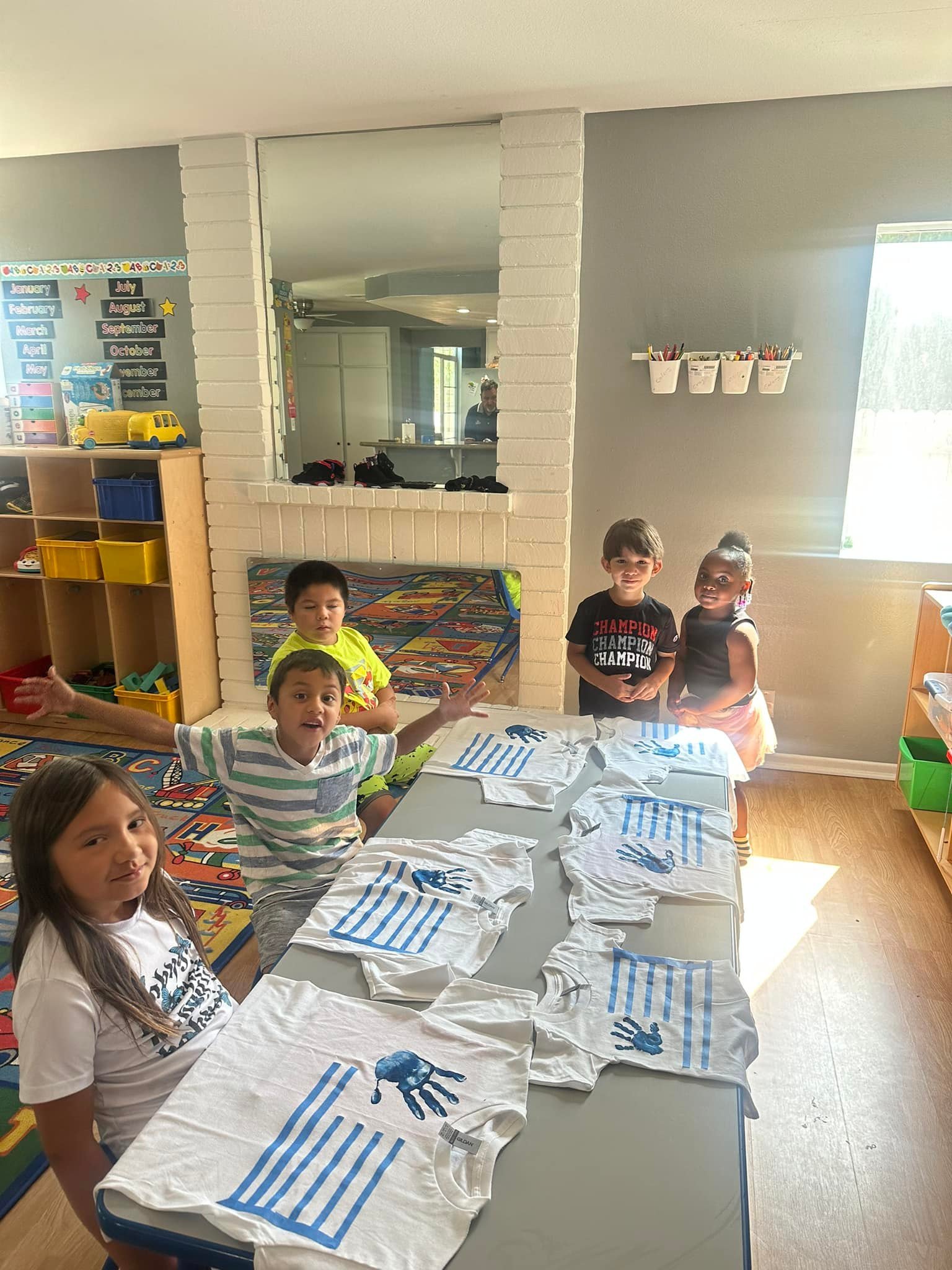
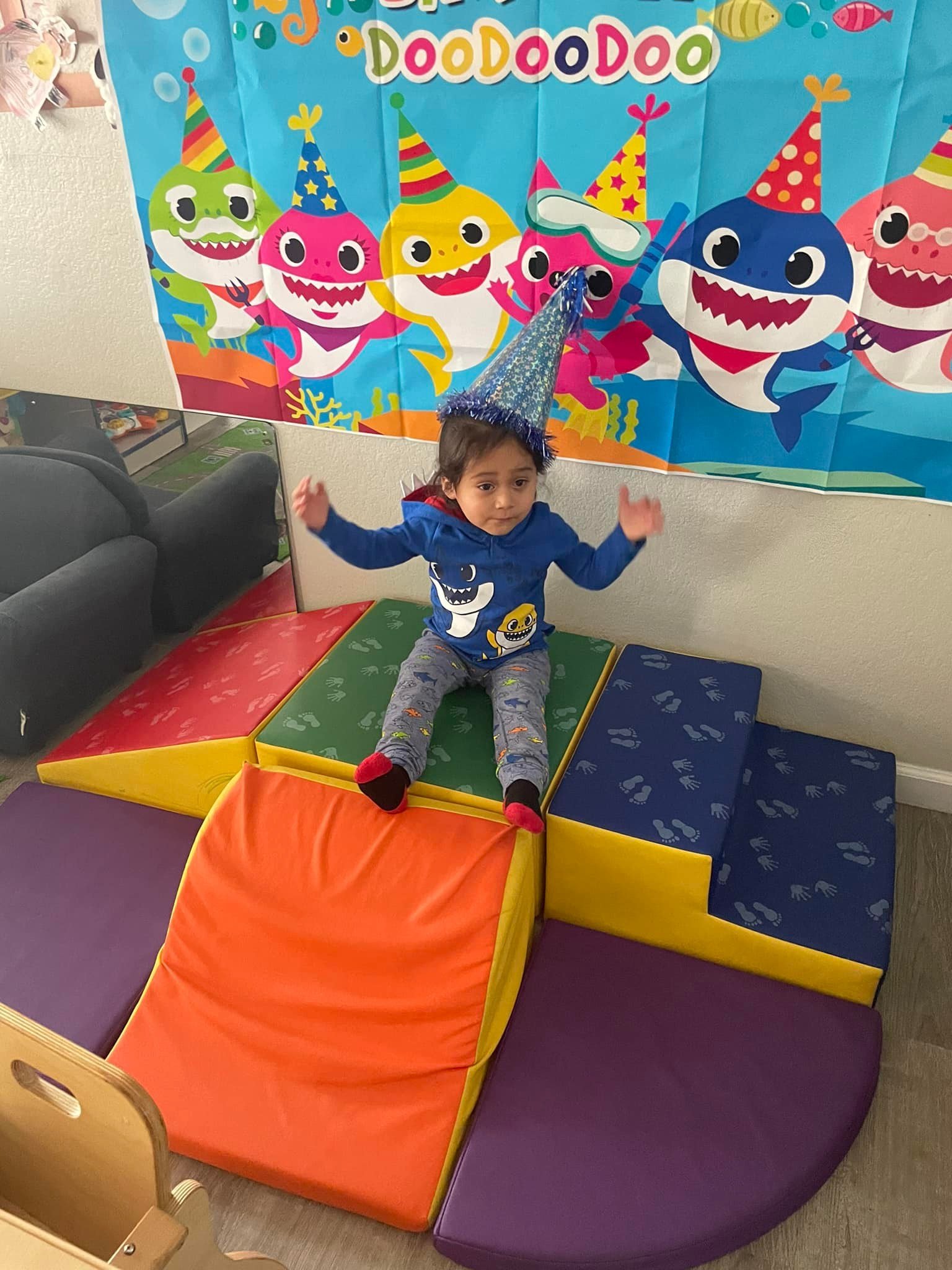
Play-Based Learning allows children to learn naturally through play, engaging with and making sense of their world in a self-chosen, enjoyable, and process-oriented manner. This approach is child-directed and teacher-facilitated, with teachers taking on the roles of planners, observers, and guides. By maintaining the joy of free play, children can connect authentically with content and co-construct their learning with teachers and peers, leading to meaningful personal discoveries and progress toward their learning goals.
The benefits of Play-Based Learning are numerous: it builds executive function skills, content knowledge, and creative thinking, while enhancing problem-solving abilities. Children develop reading, vocabulary, and writing skills, as well as counting, classification, measurement, and patterning skills. It fosters prediction and observation skills and provides opportunities to test ideas and make modifications. This learning style helps children understand themselves and the world around them, apply learned concepts to new situations, and build confidence, collaboration, and expression skills. Ultimately, it motivates children to take “safe” risks and try new things.